
Unlocking sustainable eating — not just another quick fix.
In an era of Instagram meals, wellness influencers and flashy diet plans, two terms keep popping up: clean eating and fad diets. They may sound similar at first but make no mistake they’re very different. Choosing one over the other could mean the difference between building lasting health or falling into the cycle of short-term fixes, restored weight and frustration. So, what is clean eating really? And how do fad diets lure us in? Let’s dive in.
What Is Clean Eating?
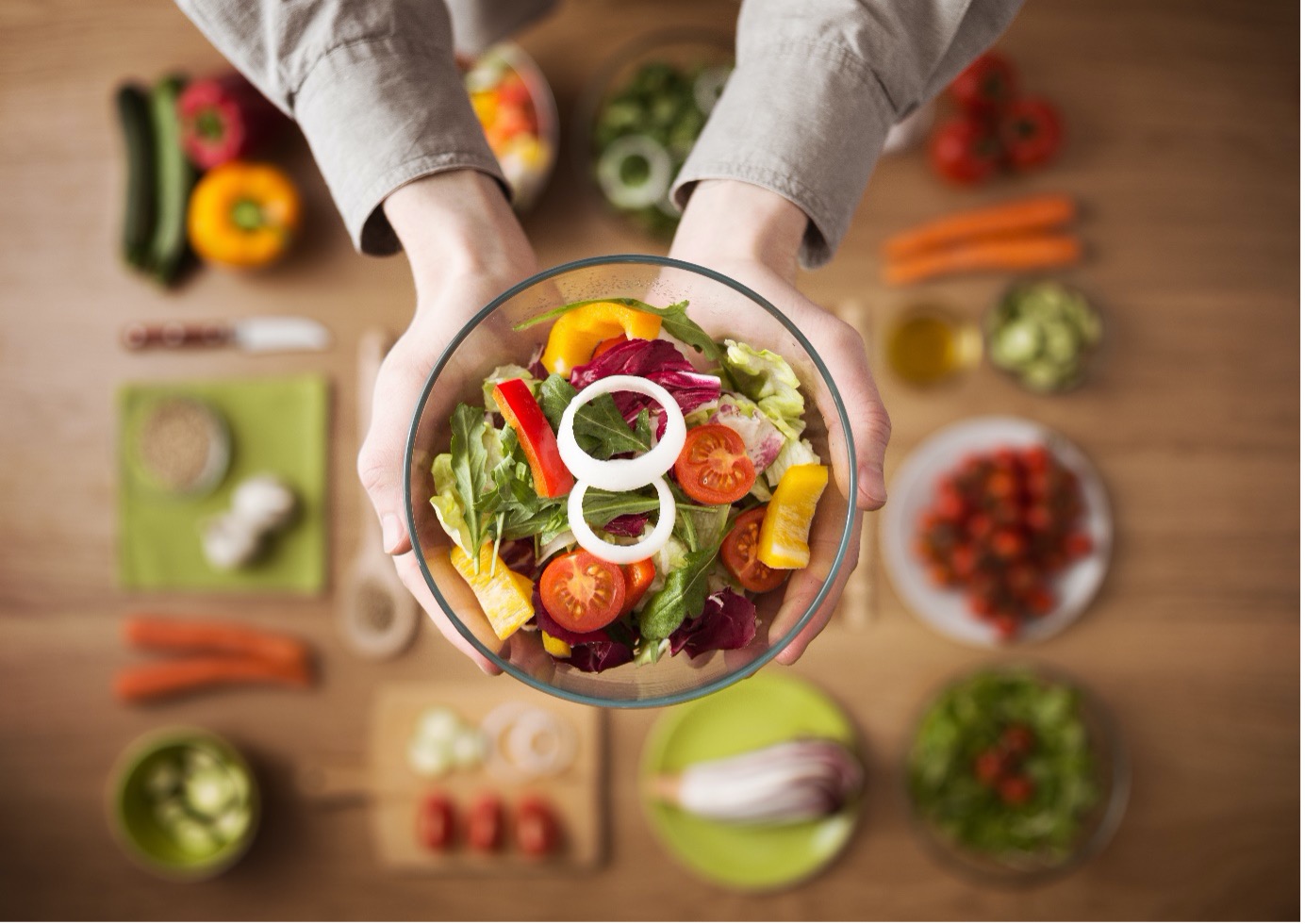
Put simply, clean eating is an eating style focused on whole, minimally processed foods fresh fruits & vegetables, whole grains, lean proteins, healthy fats and minimizing highly processed items, refined sugar, artificial additives. According to the Harvard T.H. Chan School of Public Health, the term has “no fixed legal or scientific definition” and is used widely but variably. Harvard Health: Clean Eating — The Good & the Bad
In many ways, clean eating is simply about eating real food, cooking more at home, choosing fresh, avoiding “packaged”, “ultra-processed” meals. For example, the Nutrition Source from Harvard describes it as foods that are “as close to their natural state as possible.”
So yes: clean eating has strong potential for good, but it must be done intelligently.
What Are Fad Diets?
By contrast, fad diets are those trendy eating plans that promise fast results, big weight loss, dramatic transformation in a short time. They often include dramatic restrictions (cutting out entire food groups), big claims, heavy marketing. As the American Heart Association warns: “Avoid them, because they don’t work and can even be counter-productive.” American Heart Association: Research on Fad Diets
Examples include elimination plans like “no carbs”, “all juice for 10 days”, or extreme macro manipulation. The problem? When the diet ends, old habits often return—and so does the weight.
Clean Eating vs. Fad Diets: A Clear Comparison
| Feature | Clean Eating | Fad Diets |
| Main Focus | Whole, minimally processed foods; long-term habits | Quick results, weight-loss focused, often extreme |
| Flexibility | Generally more adaptable to real life | Often rigid: many “musts” and “must nots” |
| Evidence & Sustainability | Better aligned with healthy eating principles | Frequently lacks durable evidence; high failure/relapse rate |
| Risk of Negative Consequences | Lower (if done balanced) though still possible | Higher risk of rebound weight gain, nutrition gaps |
| Mindset | Lifestyle change, habit-building | Fix-it mentality, diet begins/ends |
Why Clean Eating Isn’t Always Perfect — And Why Fad Diets Are Risky
Clean eating: While it sounds safe and healthy, because it’s loosely defined, some interpretations become overly restrictive (eliminating whole food groups) or psychologically rigid. A study found that some versions of clean eating “can mask symptoms of an eating disorder such as orthorexia nervosa”. Journal of Eating Disorders: The stigma of clean dieting & orthorexia nervosa
Fad diets: Despite the attractive promises, they often deliver short-term change, not long-term health. The AHA states: “There isn’t any evidence fad diets are better than scientifically tested healthy eating patterns such as the Mediterranean diet.” American Heart Association: Research on Fad Diets
In other words: Clean eating can be a safe, smart approach, if you stay moderate. Fad diets may look appealing—but carry risk of rebound, frustration, nutrition gaps.
How to Apply This in Real Life: Smart Tips
Here’s a practical action plan you (or your readers) can implement:
- Start with whole foods: Add more vegetables, fruits, legumes, whole grains, lean protein. Cut back on processed meals, sugary drinks.
- Avoid extreme rules: If a plan tells you to permanently eliminate entire food groups without medical reason, a red flag. Fad diets often do this.
- Focus on habit-building, not quick fixes: Ask yourself, “Can I stick with this six months from now?” If the answer is no, it’s probably not the best path.
- Balance and flexibility matter: Clean eating doesn’t mean “100% perfect”. It’s better to be 80 % consistent than 100 % perfect for a short time.
- Tune into your body: How do you feel? Energetic? Hungry or not? Mood stable? Use feedback, not just a chart or scale.
- Check your sources: Look for evidence-based guidance, trusted organisations (Harvard, AHA), not just trending Instagram posts or clickbait.
- When in doubt, consult a pro: If you have a health condition (thyroid, diabetes, PCOS, etc.), get nutrition advice tailored for you.
At the heart of it all: eating well isn’t about extremes, it’s about consistency, practicality, and respect for your body and your life. Choose the path where manageable habits, real food, realistic routines, and real results, outlast fleeting promises. Because the best diet isn’t one you abandon tomorrow, it’s the one you sustain for years to come.