

Somewhere along the way, “being productive” shifted from getting things done, to prove our worth. Today’s culture glorifies constant activity, always learning, improving, hustling, building, optimizing. According to the American Psychological Association, the pressure to be constantly “on” is now a major contributor to modern stress and burnout.
We’ve mistaken busy-ness for value, and output for identity. But is this obsession with productivity actually healthy, or quietly toxic? Let’s break down the psychology and consequences of the “always doing” mindset.
Why Productivity Became a Status Symbol
In the digital age, productivity has turned into a competitive sport.
1. Social media glamorized the grind
Posts of 5 AM routines, million-dollar “rise and grind” stories, and endless to-do lists create pressure to compete.
This is tied to “social comparison theory” explained by Psychology Today, we evaluate ourselves based on others.
2. Companies reward overwork, not true efficiency
Research from Harvard Business Review shows long hours actually reduce productivity. Yet workplaces still treat overworking as commitment.
3. Technology made us reachable 24/7
With emails, notifications, and work apps on our phones, there’s no off-switch.
A study by Pew Research Center confirms technology has blurred work-life boundaries more than ever.
Signs That Productivity Has Become Toxic
Toxic productivity isn’t about working hard, it’s about never feeling allowed to rest. You might be experiencing it if:
- You feel guilty doing nothing
Guilt is a psychological red flag linked to burnout, explained by Mayo Clinic.
- Rest feels “unearned”
You only let yourself relax after work, but the work is never-ending.
- You chase productivity hacks instead of meaningful progress
The search for “optimization” becomes another distraction.
- You can’t differentiate between self-worth and output
Self-esteem becomes tied to how much you achieve.
- You fill every minute of free time with activity
Even hobbies become tasks to “complete.”
The Science: Why Constant Doing Damages the Brain
Over-productivity leads to:
1. Cognitive overload
According to Neuroscience research from NCBI, the brain’s prefrontal cortex becomes less effective when overwhelmed by continuous tasks.
2. Chronic stress and cortisol spikes
The stress response doesn’t shut off when you’re always “on.” Chronic stress is directly linked to anxiety, insomnia, and memory problems.
3. Creative burnout
Creativity requires boredom and mental space, supported by studies cited in Scientific American.
4. Reduced productivity in the long run
Ironically, overworking makes you less productive, confirmed by the famous productivity plateau research from Stanford University.
Why Doing Nothing Is a Health Tool, Not Laziness
In many cultures, rest is seen as a weakness. But modern neuroscience says the opposite.
1. Your brain needs “idle time” to process information
The default mode network, activated during rest, helps with memory, problem-solving, and emotional regulation.
2. Downtime improves mental resilience
Regular rest improves emotional stability and decision-making, according to Harvard Business Review.
3. Slowing down improves long-term productivity
Taking breaks increases focus by 100% in controlled experiments according to the University of Illinois study.
How to Break Free from Toxic Productivity
Here are realistic, psychology-backed ways to reset your relationship with work:
1. Prioritize rest as a non-negotiable task
Add “rest blocks” to your calendar, guilt-free.
2. Switch from time-based productivity to value-based
Ask: “What moved my life/business forward today?”. Not: “How many hours did I work?”
3. Embrace the 80% rule
Not everything needs to be perfect to be effective.
4. Create tech boundaries
Turn off notifications or use apps like Forest, Freedom, or Focus Mode.
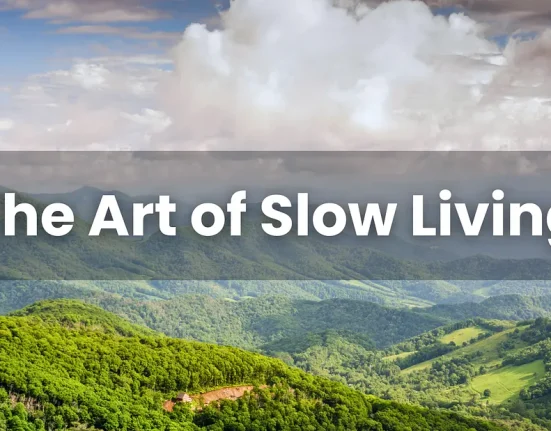
5. Practice slow living intentionally
Inspired by concepts explored in The Slow Living Movement.
6. Let yourself be human
You’re not meant to operate like a machine.
Final Thoughts
Productivity isn’t the problem, the obsession with it is.
We aren’t designed to be constantly achieving, optimizing, and proving our worth. Real success comes from balance, not burnout; From presence, not pressure; And from being, not always doing. Letting yourself rest is not quitting, it’s healing.