

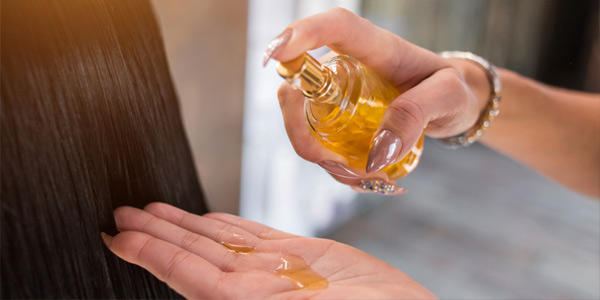
If you’ve ever stood in front of a beauty aisle overwhelmed by shiny bottles labeled “oil” and “serum,” you’re not alone. For beginners, understanding the difference between hair oils and serums and knowing how to use them correctly can be a complete game changer for hair health. This guide breaks down what sets these two essentials apart, how they work, and how to choose the best products for your hair type.
What’s the Difference Between Hair Oils and Serums?
When it comes to hair care, oils and serums serve very different purposes. Hair oils are deep-nourishing treatments designed to penetrate the hair shaft, improve moisture levels, strengthen strands, and support scalp health. They’re often made with natural ingredients like coconut, argan, almond, or jojoba oil.
By contrast, hair serums are usually silicone-based styling products that coat the hair, giving it shine, smoothness, and frizz control. Think of oils as nutrition for your hair and serums as its protective shield.
For a deeper understanding of how hair care products interact with the hair shaft, you can explore research shared by the American Academy of Dermatology.
Benefits of Using Hair Oils
Hair oils have been part of traditional beauty rituals for centuries — from Ayurvedic scalp massages to modern pre-shampoo treatments. Their biggest benefit is deep nourishment. Oils deliver fatty acids and essential nutrients to the hair, repairing damage, reducing breakage, and boosting natural shine.
- Coconut oil helps reduce protein loss from hair, making it a favorite for damaged or color-treated strands.
- Argan oil is rich in vitamin E and antioxidants, perfect for adding shine and smoothness.
- Jojoba oil mimics the scalp’s natural sebum, helping to balance oil production.
According to the National Center for Biotechnology Information, oils can also help reduce water loss and protect hair from environmental stressors like pollution and UV exposure.
The Role of Hair Serums in Styling
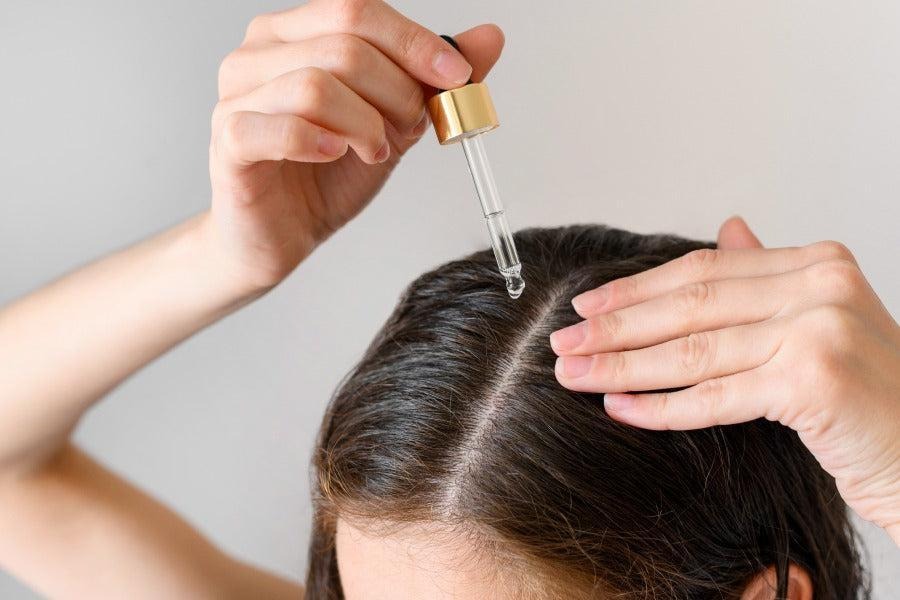
While oils treat hair from within, serums focus on the outside. They form a lightweight layer over the strands, which helps:
- Reduce frizz
- Add instant shine
- Protect from UV rays
- Guard against heat styling damage
This makes serums especially useful for people living in humid climates or those who style their hair frequently. Many modern serums also contain nourishing ingredients like keratin and natural extracts for added benefits.
For detailed ingredient safety information, you can visit the Cosmetic Ingredient Review.
How to Use Hair Oils and Serums Correctly
The magic is in the application. Hair oils work best when used before shampooing as a pre-treatment or left overnight for deeper nourishment. Massage gently into the scalp and distribute through the lengths of your hair — this boosts circulation and strengthens the roots.
Serums, on the other hand, should be used after washing or on dry hair. Apply a small amount to the mid-lengths and ends only — too much can make your hair greasy. For heat styling, choose a serum that doubles as a heat protectant for added defense.
The American Academy of Dermatology also recommends being gentle when applying products to avoid unnecessary breakage.
Choosing the Right Product for Your Hair Type
- Dry or damaged hair: Go for heavier oils like coconut or castor oil and a rich serum that locks in moisture.
- Oily or fine hair: Choose lightweight oils like jojoba or grapeseed and weightless serums.
- Curly or textured hair: Heavier, moisture-rich products help define curls and reduce frizz.
When shopping, always read ingredient labels carefully. For product safety ratings and ingredient breakdowns, the Environmental Working Group provides a useful database.
Final Thoughts
Hair oils and serums are more than just shiny add-ons to your beauty routine. Oils nourish your strands from the inside out, while serums protect and enhance the surface of your hair. Together, they create a balanced routine that helps your hair look and feel its best.
The key is to understand your hair type, choose the right formulas, and use them correctly. With consistent care, your hair can become softer, shinier, and healthier, naturally.